Horse Racing Wheel Bets: The Complete Guide to Exotic Wager Mathematics
Master the calculations that transform uncertain race outcomes into structured betting opportunities. From exacta wheels to trifecta strategy.
By Marcus Thornton, Exotic Betting Analyst
 Available in US
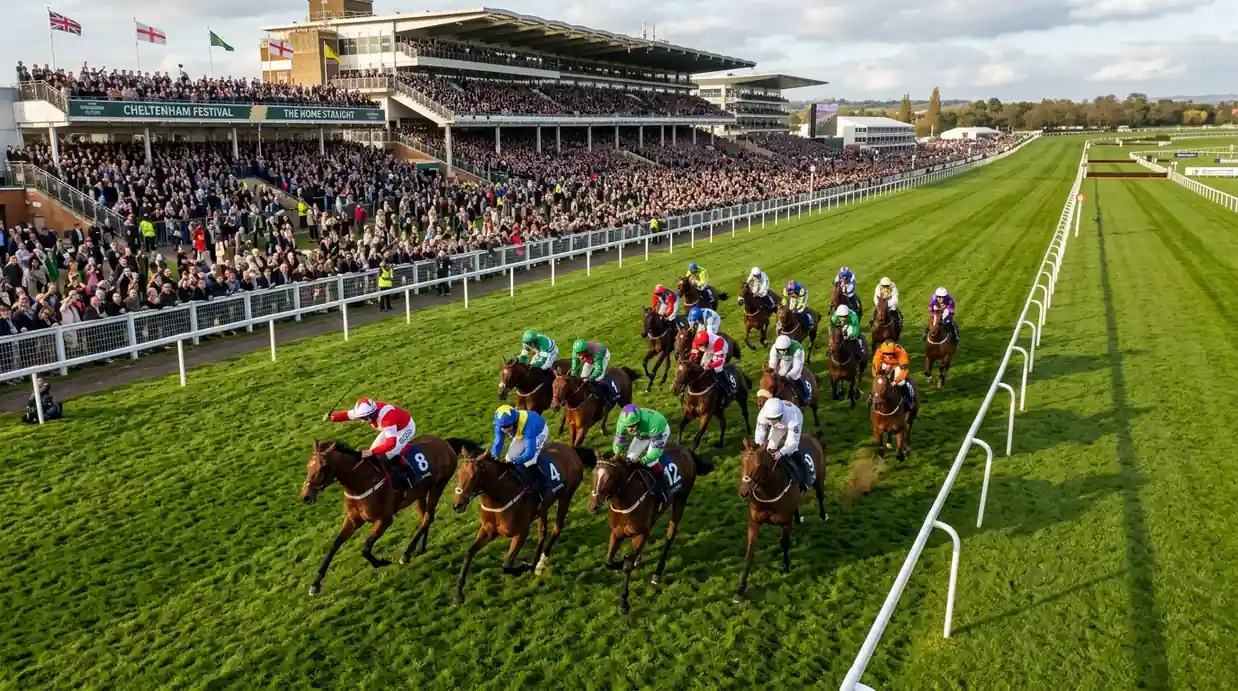
Three years ago, I watched a punter at Cheltenham tear up his betting slip after a 66/1 trifecta came in — with two of his three horses finishing in the frame. He’d backed the winner, he’d spotted the third-place finisher, but his straight tricast missed because the second horse came from nowhere. A properly structured wheel bet would have captured that result. The maths would have cost him more upfront, but he’d have walked away with thousands instead of disappointment.
That scene plays out at British racecourses every day. Punters who understand which horse will win often miss out on exotic payouts because they don’t structure their bets to account for the uncertainty in the other positions. Wheel bets solve this problem mathematically, but they come with their own complexities — cost calculations that spiral quickly, takeout rates that eat into returns, and strategic decisions about when a wheel makes sense versus when it’s just expensive coverage.
The numbers tell a clear story about why this matters. Favourites in UK racing win roughly 30-35% of the time. That means even your strongest selection fails more often than it succeeds. The horses finishing second and third? Far less predictable. This uncertainty is precisely why wheel bets exist — they let you lock in your best opinion while spreading risk across the positions where outcomes are genuinely unknowable.
I’ve spent nine years analysing exotic wager structures, first from inside Tote operations and then as an independent analyst tracking pool betting mathematics. What I’ve learned is that most educational content about wheel bets either ignores UK-specific factors entirely or presents formulas without connecting them to actual betting decisions. The 25% takeout on Tote exacta and trifecta pools, the shrinking field sizes that change optimal strategy, the regulatory environment reshaping how punters can access these markets — none of this gets adequate treatment.
This guide addresses those gaps directly. You’ll find the mathematics you need to calculate costs before committing money, the strategic frameworks for deciding when wheels make sense, and the UK-specific data that should inform every exotic betting decision. Whether you’re placing your first forecast wheel or refining an approach you’ve used for years, the fundamentals here will sharpen your edge.
Table of Contents
- The Mathematics That Separate Profitable Wheel Bettors
- The Mechanics Behind Wheel Betting
- Identifying Your Anchor Horse
- Exacta Wheel Mathematics
- Trifecta Wheel Structures and Costs
- Superfecta Wheels and Combinatorial Reality
- Understanding Tote Pool Deductions
- Field Size and Wheel Bet Viability
- Protecting Capital in Exotic Betting
- The Current State of UK Racing Markets
- Common Questions About Wheel Betting
The Mathematics That Separate Profitable Wheel Bettors
- Wheel bets anchor your strongest opinion while covering uncertainty — key horses fixed in position, all others eligible for remaining spots
- UK Tote takes 25% from exacta and trifecta pools; your combinations must return at least £1.33 per pound to break even
- Field sizes matter: 8-12 runners hit the sweet spot balancing cost against dividend potential; avoid full wheels on 13+ runner fields
- Tote+ exacta and trifecta bets outperform fixed-odds alternatives in 77% of cases, delivering 21-50% more value on average
- Part wheels cut costs 60-75% while maintaining meaningful coverage — essential strategy as fields grow beyond ten runners
The Mechanics Behind Wheel Betting
A mate of mine once described wheel bets as “insurance for your best opinion.” He’s not wrong, though the analogy only goes so far. Unlike insurance, where you hope never to collect, a wheel bet is designed to win — just through a wider net than a single combination allows.
At its core, a wheel bet anchors one or more horses in specific finishing positions while allowing all other horses in the field to fill the remaining spots. In UK terminology, you’re placing a forecast (exacta) or tricast (trifecta) where your “key horse” must finish where you’ve placed it, but every other runner becomes a potential partner for that key.
Consider a 10-horse race where you’re confident horse number 4 will win. A straight forecast requires you to also pick the exact second-place finisher. Get it wrong, and you collect nothing regardless of how right you were about the winner. A wheel bet on horse 4 to win, with all others for second, means any of the remaining nine horses can finish second and you still collect. Your confidence in horse 4 is rewarded without requiring you to also possess supernatural knowledge about the runner-up.
UK Tote Takeout: The Tote deducts 25% from exacta and trifecta pools before calculating dividends. This commission applies regardless of whether you bet a straight combination or a wheel structure.
The trade-off is cost. That single-combination forecast might cost £2. The wheel covering nine combinations costs £18. You’re exchanging precision for coverage, and the mathematics of that exchange determine whether the wheel represents smart betting or expensive hedging.
Exacta Wheel Cost Formula
Combinations = (field size – 1) × stake per combination
10-horse field with £2 stake = 9 × £2 = £18 total
What makes wheels particularly valuable in pool betting is the relationship between field uncertainty and dividend size. When longshots fill the non-keyed positions, dividends expand significantly. Your wheel captures value that a straight bet would have missed entirely — not because you predicted the longshot, but because your structure allowed for outcomes you couldn’t have foreseen.
This distinguishes wheels from box bets, another coverage strategy I’ll address shortly. Boxes treat all selected horses as interchangeable across positions. Wheels maintain a hierarchy — your key horse matters more than the others, and your bet structure reflects that conviction.
When Boxing Beats Wheeling
The question comes up constantly: should I wheel or should I box? There’s no universal answer, but there is a clear framework for deciding.
Boxing treats every selected horse as a potential winner, spreading positions interchangeably. If you box three horses in a forecast, any of the three can finish first, any can finish second — six combinations total. Wheeling insists on hierarchy: horse A wins, horses B through Z fill second. The structural difference creates dramatically different cost profiles and strategic implications.
| Factor | Wheel Bet | Box Bet |
|---|---|---|
| Key requirement | Must identify likely winner | Multiple horses equally viable |
| Cost scaling | Linear with field size | Factorial with selections |
| Best scenario | Strong opinion on one horse | Uncertain field, several contenders |
| Risk profile | Loses entirely if key fails | More resilient to single failure |
The decision hinges on conviction. When you have a strong view about a specific horse but genuine uncertainty about the supporting cast, wheels extract maximum value from your opinion. When three or four horses seem equally capable of winning, boxing distributes risk more sensibly.
Do
- Wheel when your key horse has 40%+ implied win probability
- Calculate total cost before committing to any structure
- Consider part wheels to reduce cost in large fields
Don’t
- Wheel heavy favourites at short prices — the maths rarely justifies it
- Ignore takeout rates when comparing structures
- Default to full wheels without considering coverage needs
For a deeper examination of coverage strategies and cost optimisation between these structures, see our detailed comparison of full and partial wheel approaches.
Identifying Your Anchor Horse
The most expensive wheel bet I ever placed was also the worst. Epsom Derby day, 2019 — I keyed a horse with beautiful recent form, ignored the going change from good to soft overnight, and watched my anchor fade to seventh while a mudlark I’d dismissed stormed to victory. The wheel structure was sound. The key selection was rubbish. No amount of mathematical sophistication saves a bet built on a bad foundation.
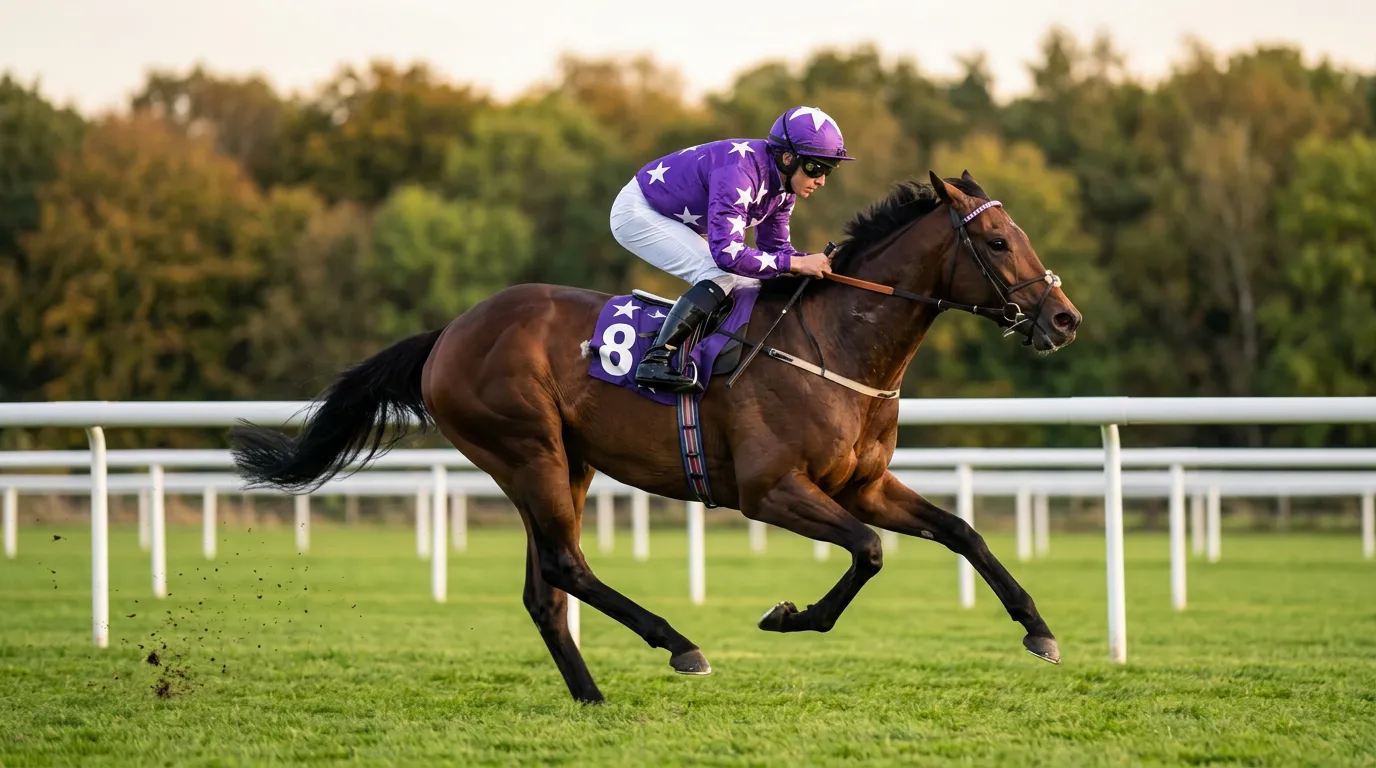
Your key horse selection is the single most important decision in wheel betting. Get this wrong and your coverage means nothing. Get it right, and even an imperfect wheel structure can deliver substantial returns.
The fundamental tension is between confidence and value. Favourites win 30-35% of UK races — often enough to merit serious consideration, rarely enough to bet blindly. More striking, odds-on favourites on flat turf convert at roughly 59%. That’s a majority, but 41% failure means even the shortest-priced selections in the racecard let you down nearly half the time.
59%
Win rate of odds-on favourites on UK flat turf
What does this mean for key selection? The numbers suggest favourites deserve respect but not reverence. A wheel keyed on a 4/6 favourite might hit more often than one keyed on a 5/1 shot, but the dividend compression at short prices often makes the maths unfavourable. You’re paying for coverage on combinations that return less when they win.
Key Selection Framework
Consider a race where the favourite is 2/1 (implied probability 33%) and your analysis suggests they’re closer to 40% likely to win.
Step 1: Identify edge — your assessment exceeds market price
Step 2: Evaluate going, distance, trainer form at this track
Step 3: Check for jockey booking significance — late changes often signal stable confidence
Step 4: If edge persists after review, key this horse with coverage on secondary positions
The practical criteria I use: recent form within the last 60 days, proven ability at today’s distance within a furlong, going preference that matches current conditions, and a trainer-jockey combination with a positive strike rate at this course. None of these factors alone justifies a key selection, but convergence across multiple criteria builds genuine confidence.
For horses showing as the favourite, I want to see clear reasons why the market has them there. Hype and name recognition inflate prices on fancied runners; actual form advantages justify them. The difference matters enormously when you’re committing wheel-bet money to one horse finishing where you need it.
If you want deeper analysis of form reading and going preferences for key selection, the anchor horse selection guide covers these factors in detail.
Exacta Wheel Mathematics
I keep a spreadsheet of every forecast wheel I’ve placed over the past four years. The data tells me something counterintuitive: my best returns haven’t come from the races where I was most confident about the winner, but from the ones where I correctly identified value in the second position remaining wide open. The exacta wheel, known as a forecast wheel in UK terminology, exploits exactly this scenario.
The calculation is straightforward. If you key one horse to win with all others for second, you’re covering (n – 1) combinations, where n equals the field size. Ten runners means nine combinations. At £2 per combination, that’s £18 to cover every possible second-place finisher behind your key.
Full Exacta Wheel Cost
Key to win, all others second: (n – 1) × stake
12-horse field at £1: 11 × £1 = £11
12-horse field at £2: 11 × £2 = £22
Part wheels reduce this cost by selecting specific horses for the secondary position rather than covering the entire field. If you believe only four horses realistically can finish second behind your key, you cover just those four combinations. The cost drops from eleven to four — but you sacrifice coverage on outcomes you’ve deemed unlikely.
The value question centres on Tote versus fixed-odds alternatives. Analysis of dividend data shows Tote+ exacta returns exceed the Computer Straight Forecast offered by bookmakers in 77% of cases, delivering approximately 21% more value on average. This isn’t a marginal difference — it’s a substantial edge that accumulates over volume.
Why does Tote outperform so consistently? Pool betting reflects actual money flow rather than bookmaker liability management. When longshots fill the frame, Tote dividends expand naturally because fewer punters backed those outcomes. Fixed-odds products are designed to limit bookmaker exposure, which compresses returns on unexpected results.
For step-by-step cost calculations and detailed examples of part-wheel construction, the exacta wheel guide provides complete formula breakdowns with UK race scenarios.
Trifecta Wheel Structures and Costs
The trifecta — or tricast, as it’s known in UK pool betting — is where wheel costs can spiral beyond recognition if you’re not careful with the maths. I’ve watched punters at betting shops request full trifecta wheels on twelve-horse fields, then blanch when the clerk tells them the total. Understanding the combinatorics before you commit is not optional.
A full trifecta wheel with one horse keyed to win requires calculating permutations for second and third positions. The formula is (n – 1) × (n – 2), where n is the field size. For a 10-horse race, that’s 9 × 8 = 72 combinations. At £1 per combination, you’re spending £72 to ensure that if your key horse wins, you’ve covered every possible second-third combination.
Tricast Terminology: In UK pool betting, “tricast” refers to picking the first three finishers in exact order — identical to the American “trifecta.” Tote pools use “tricast” while some bookmakers use “trifecta” interchangeably.
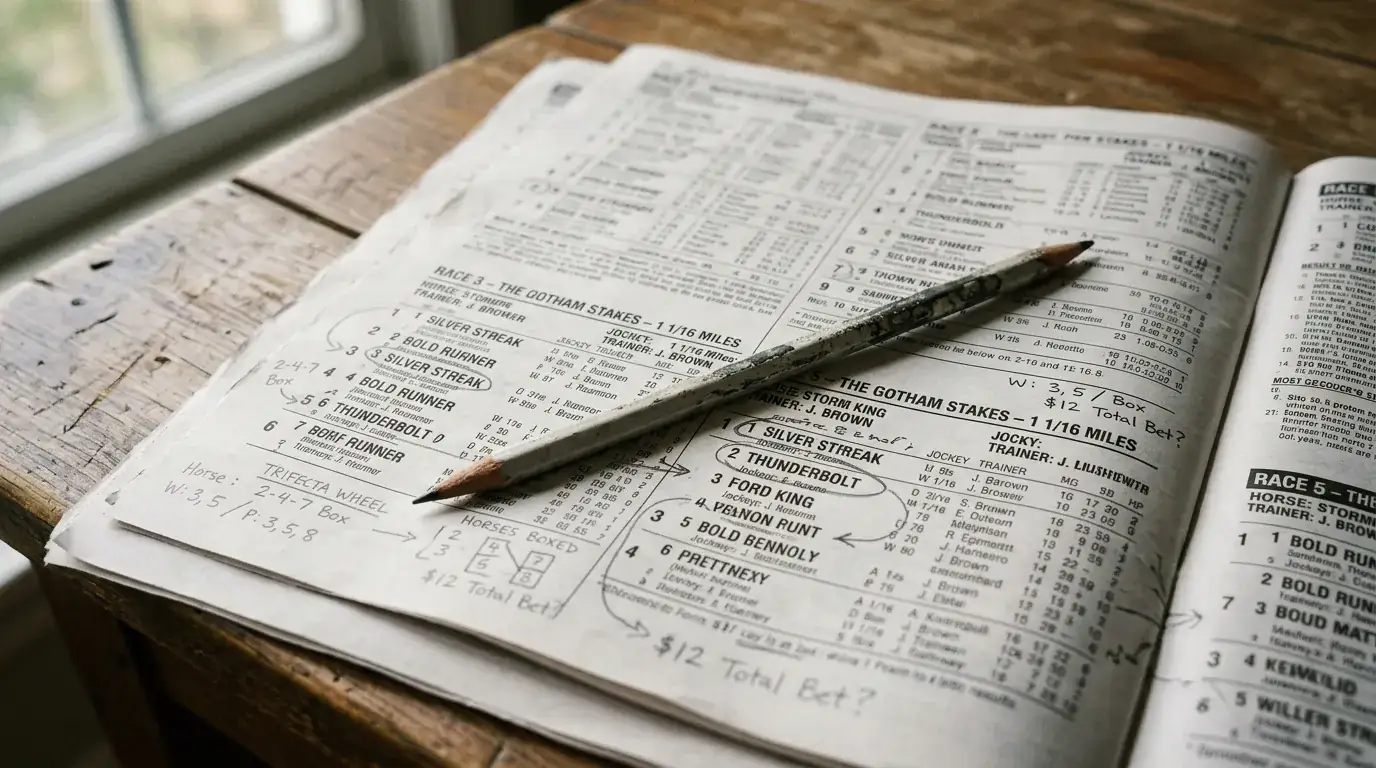
The numbers escalate quickly. A 12-horse field produces 11 × 10 = 110 combinations. At £1 each, that’s £110 — well beyond casual betting territory. This is precisely why part wheels matter so much in tricast betting.
Part Wheel Trifecta Calculation
Scenario: 10-horse race, horse #3 keyed to win, horses #5, #7, #9 for second, all others for third
Step 1: Key position (win) = 1 horse
Step 2: Second position = 3 horses
Step 3: Third position = remaining 6 horses (excluding key and seconds)
Step 4: Combinations = 1 × 3 × 6 = 18
Step 5: Cost at £1 = £18 (versus £72 for full wheel)
That part wheel costs 75% less than the full wheel while still providing meaningful coverage. The trade-off is exposure to second-position risk — if a horse outside your three selections finishes second, you collect nothing regardless of where your key and your third-place picks finish.
Tote+ tricast dividends outperform bookmaker tricast payouts in 77% of cases, with an average value advantage of approximately 50%. This edge is even more pronounced than in exacta betting because three-horse combinations produce greater dividend variance. When unexpected results come in, pool betting rewards you more generously than fixed-odds alternatives.
The trifecta wheel guide explores position strategies and provides detailed cost tables for various field sizes and wheel configurations.
Superfecta Wheels and Combinatorial Reality
The Kentucky Derby superfecta in 2022 paid $321,500 on a $1 bet. That number gets cited constantly in exotic betting discussions, usually without the context that makes it meaningful: the person who hit that bet identified four specific horses finishing in exact order from a twenty-horse field. The odds against that combination were astronomical, and the payout reflected it.
Superfecta wheels attempt to make such payouts more attainable by covering multiple combinations across the first four positions. The problem is that combinatorics work against you aggressively. A full superfecta wheel with one key horse on a 12-horse field requires covering 11 × 10 × 9 = 990 combinations. At £1 each, you’re spending £990 for coverage that still requires your key to finish first.
Cost Warning: Superfecta wheel costs explode with field size. A full wheel on a 15-horse field produces 14 × 13 × 12 = 2,184 combinations. Even at minimum stakes, you’re committing four figures before accounting for any return.
Does this mean superfecta wheels are never sensible? Not quite. Part wheels with multiple keys across positions can reduce costs dramatically while still capturing life-changing payouts when results fall correctly. The strategy shifts from full coverage to targeted combinations based on genuine conviction about multiple horses.
$321,500
Kentucky Derby 2022 superfecta payout on a $1 bet
For UK punters, superfecta availability is more limited than in American racing. Tote pools for four-horse exotics don’t exist at most meetings, restricting options to bookmaker fixed-odds products that often carry significant juice. When large-field handicaps at premier festivals offer these markets, the liquidity and payout potential can justify the complexity — but routine use of superfecta wheels is difficult to recommend.
The mathematics and risk management of four-position exotic betting receive thorough treatment in our superfecta wheel guide, including scenarios where the cost-to-potential-return ratio actually works.
Understanding Tote Pool Deductions
Every pound wagered into a Tote pool doesn’t stay in the pool. Before dividends are calculated, the Tote deducts its commission — and the size of that deduction varies by bet type in ways that directly affect your wheel betting returns.
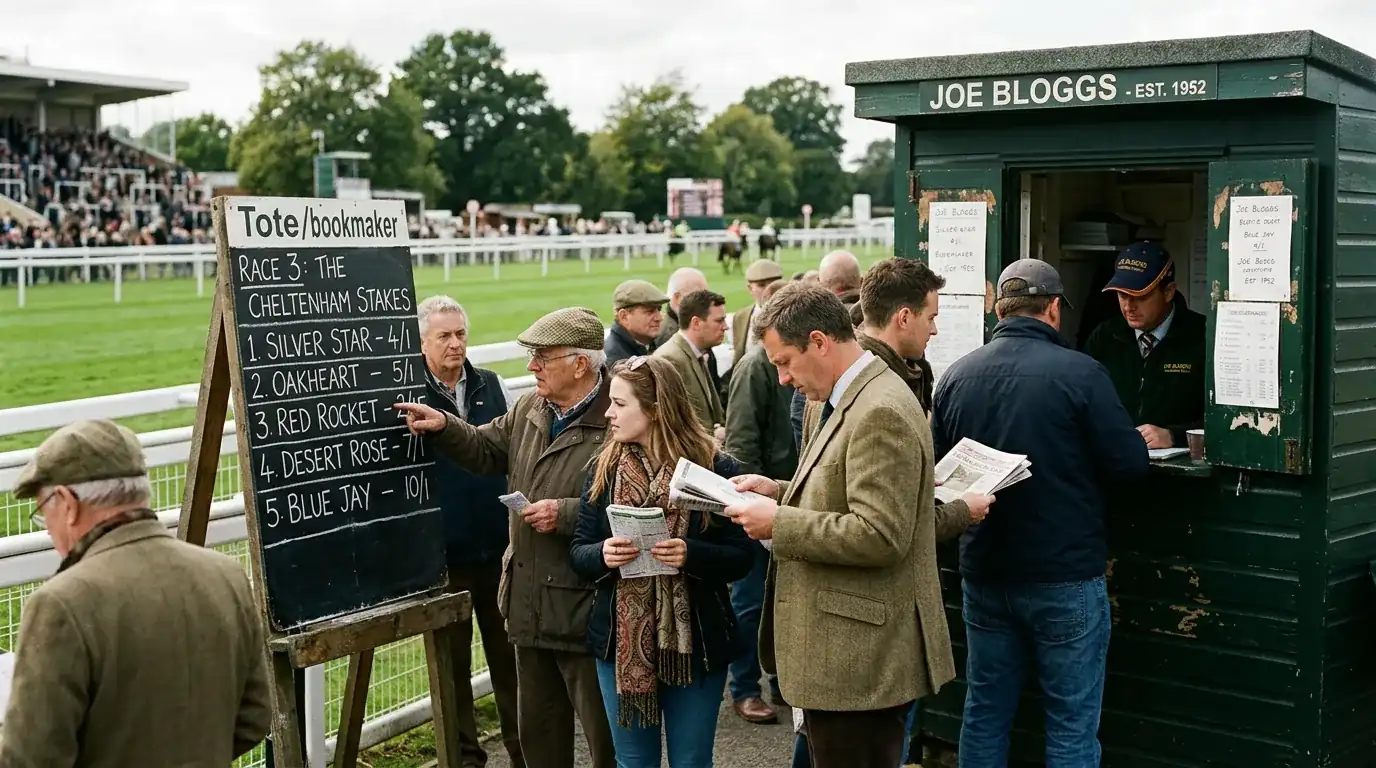
The headline numbers: exacta and trifecta pools carry a 25% takeout. That means if £100,000 flows into a tricast pool on a given race, £75,000 gets distributed back to winning bets. The Placepot, another popular pool product, takes 27%. Win and place pools run lower, typically around 13-16%.
Pool Deduction Impact: A 25% takeout means your wheel bet needs the underlying combinations to return at least 133% of stake just to break even. Any dividend below that threshold loses money despite hitting the right result.
Why does this matter for wheel betting specifically? Because wheels multiply your stake across combinations, and each combination must independently overcome the takeout hurdle. A 72-combination trifecta wheel at £1 costs £72. If the winning combination returns a £50 dividend, you’ve lost £22 despite correctly keying the winner and covering the right second-third combination.
| Pool Type | Takeout Rate | Break-Even Dividend |
|---|---|---|
| Win | 13.5% | £1.16 per £1 |
| Place | 16% | £1.19 per £1 |
| Exacta/Forecast | 25% | £1.33 per £1 |
| Trifecta/Tricast | 25% | £1.33 per £1 |
| Placepot | 27% | £1.37 per £1 |
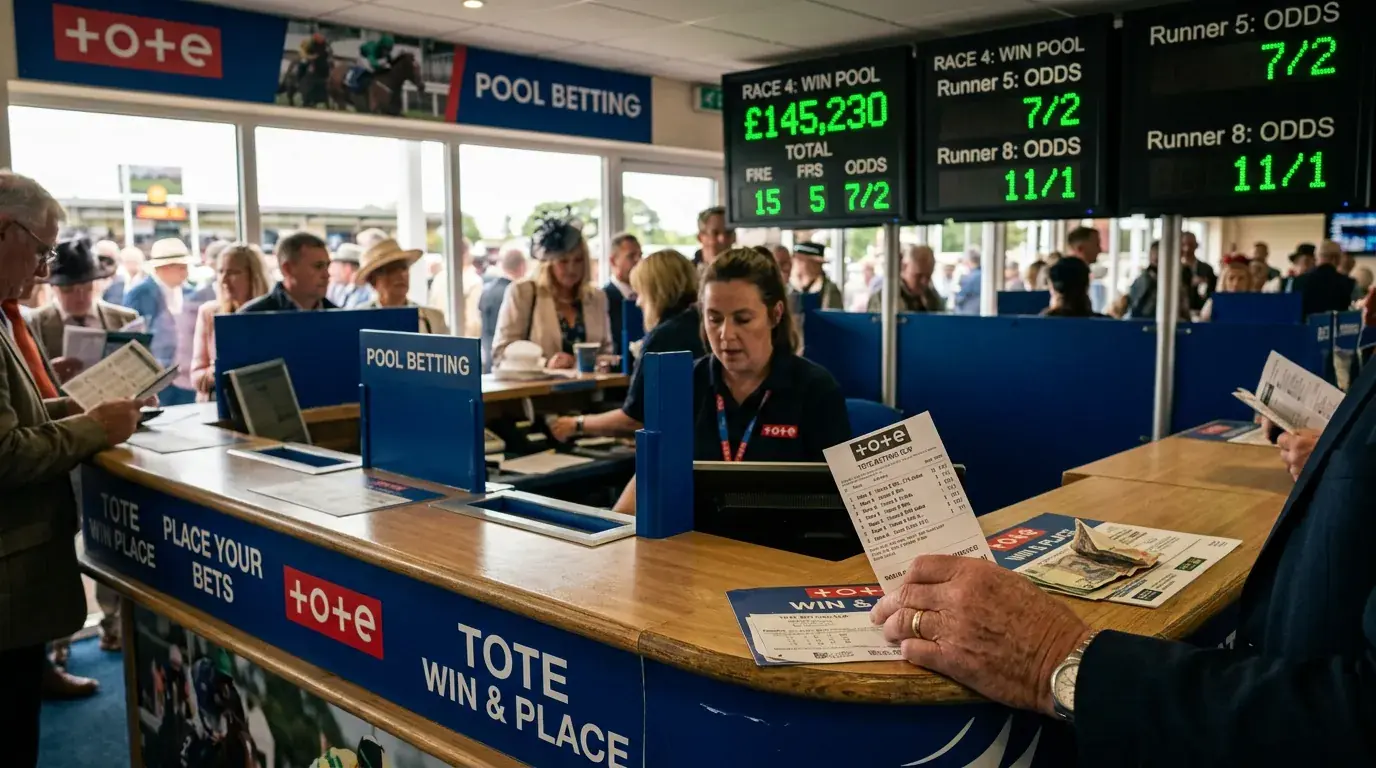
The Tote+ guarantee changes this calculation meaningfully. When Tote+ promises to match or exceed bookmaker fixed-odds returns, it effectively backstops your dividend against the worst outcomes of pool variance. Data shows Tote+ beating CSF in 77% of races — but even in the minority where it doesn’t, you’re guaranteed at least the bookmaker alternative.
These deduction rates and their implications for wheel strategy receive comprehensive analysis in the UK Tote betting guide, including timing considerations and pool liquidity factors.
Field Size and Wheel Bet Viability
Field sizes across British racing have been shrinking. The average flat race in 2025 featured 8.9 runners, down from 9.14 the previous year. Jump racing fared worse — 7.84 average runners, falling from 8.49. These aren’t abstract trends. They directly determine whether wheel betting makes mathematical sense on any given race.
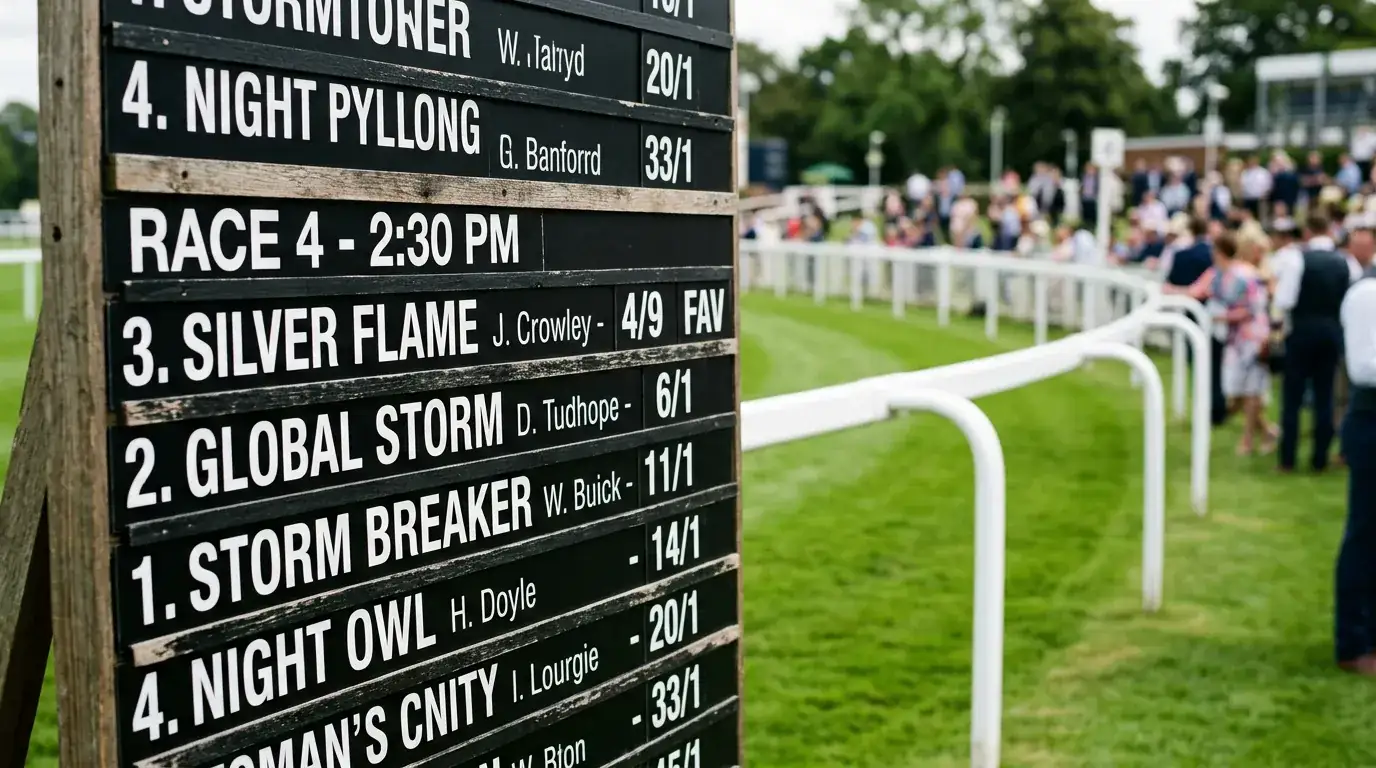
Here’s the practical reality: over 20.5% of UK races now feature five runners or fewer. That’s up from 14.27% in 2019. In small fields, wheel costs remain reasonable but dividend potential collapses. A five-horse exacta wheel costs just £8 at £2 per combination, but forecasts in five-horse fields rarely pay enough to overcome that cost unless significant longshots fill the positions.
20.5%
Proportion of UK races with five or fewer runners
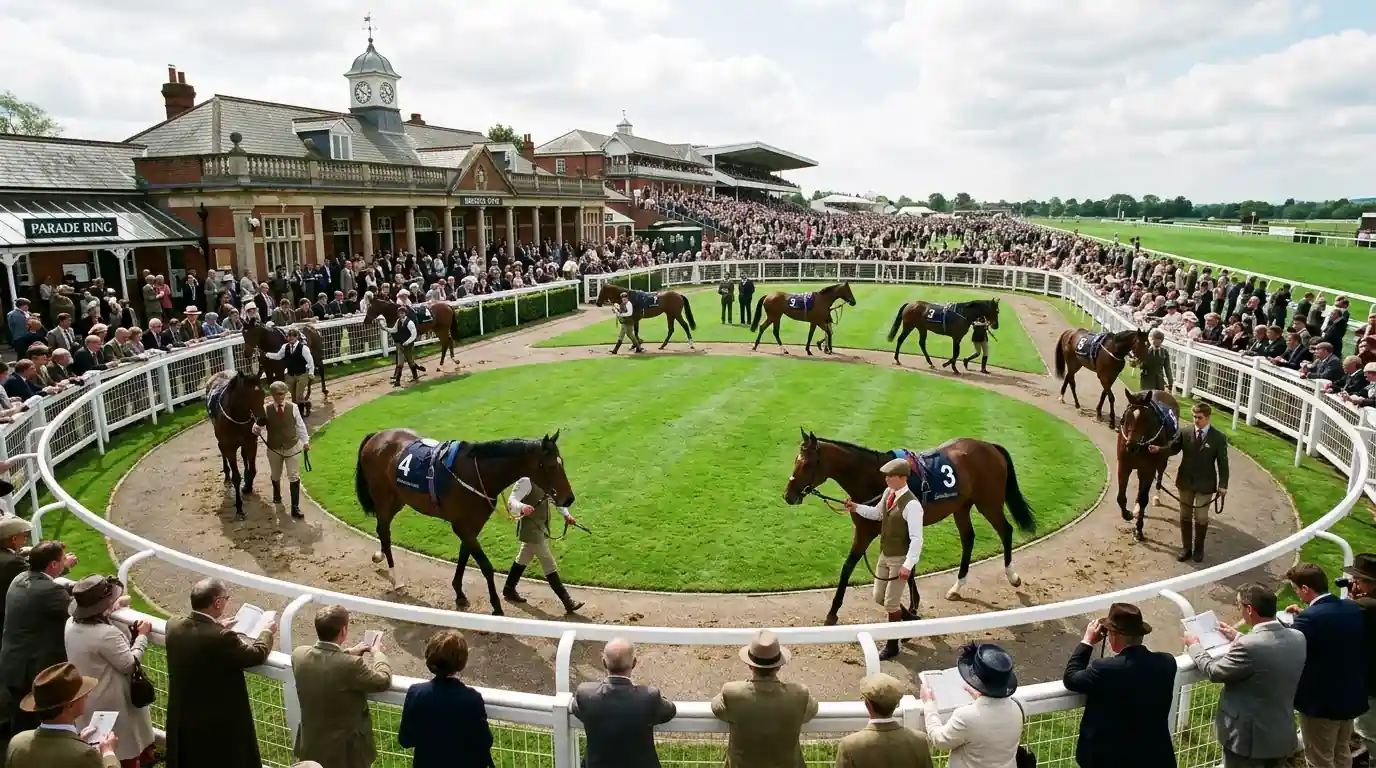
The sweet spot for wheel betting falls somewhere between 8 and 12 runners. Fields this size balance cost management against dividend potential. Enough runners create genuine uncertainty about minor positions, pushing dividends higher when less-fancied horses fill the frame. But not so many that wheel costs become prohibitive.
Field Size Decision Matrix
5 runners or fewer: Consider straight bets instead — dividend compression limits wheel value
6-7 runners: Marginal wheel territory — part wheels on specific scenarios only
8-12 runners: Optimal wheel range — full wheels viable, part wheels often superior
13+ runners: Part wheels essential — full wheel costs exceed likely returns
Premier fixtures offer a notable exception to shrinking trends. Average field sizes at top-tier meetings reached 10.97 runners in recent BHA data — actually increasing against the general decline. If wheel betting is your focus, concentrating action on premier fixtures provides structural advantages beyond just better racing quality.
The distinction between flat and jump racing matters too. With jump fields averaging nearly a full horse smaller than flat, the maths shift accordingly. Tricast wheels in National Hunt racing encounter tighter margins more frequently. This doesn’t make jump racing wheel bets unviable, but it does demand more selective deployment.
One pattern I track closely: large-field handicaps at festivals often produce the best wheel betting opportunities. The Grand National’s 40-horse maximum represents an extreme case, but the principle applies more broadly. When fields expand well beyond averages, wheel structures capture value that would be impossible to access through straight combinations.
Protecting Capital in Exotic Betting
The fastest way I’ve seen someone blow a betting bankroll wasn’t on a bad day at the races. It was a string of mathematically sound wheel bets that each made sense in isolation but collectively drained a four-figure account in under a month. Exotic bets demand different bankroll discipline than straight wagering, and ignoring that difference is expensive.
The core problem is variance. Wheel bets hit less frequently than win bets on the same key horse because you need both the key to perform and the combinations to align. A horse with 40% win probability might anchor a wheel that hits 25% of the time once combination probability is factored in. Your bankroll must withstand longer losing runs than single-bet equivalents.
Variance Reality: Total turnover on UK racing has fallen 10.3% since 2023. Shrinking pools mean dividend volatility increases — the same wheel structure produces wider payout swings than it did three years ago. Size your bets for current market conditions, not historical norms.
My framework: exotic bets should constitute no more than 20% of total betting activity by stake value, and individual wheel bets should not exceed 2% of bankroll. That sounds conservative because it is. The maths of wheel betting reward patience and survival over aggression.
Session limits matter particularly for exotic betting. It’s easy to chase a missed wheel with a larger wheel on the next race, compounding exposure rapidly. I set hard session maximums before any day’s racing begins — total exotic spend not to exceed a predetermined figure regardless of results.
Do
- Calculate all wheel costs before first race of session
- Set session maximums for total exotic exposure
- Track hit rates separately from return rates
- Reduce stakes after losses, not increase them
Don’t
- Chase missed wheels with larger subsequent plays
- Ignore the distinction between units wagered and units at risk
- Compare exotic results to straight-bet benchmarks
- Abandon bankroll rules during “strong opinion” races
Recovery discipline might be the hardest element. After a losing streak, the temptation to increase wheel sizes chasing breakeven is nearly irresistible. Resist it. The mathematical edge in wheel betting — if edge exists at all — plays out over hundreds of bets, not dozens. Accelerating stake sizes to recover short-term losses destroys long-term prospects.
One useful mental reframe: treat wheel bet costs as entertainment budget with potential upside, not as investments requiring returns. This psychological distance makes variance easier to absorb and prevents the tilt spiral that destroys so many exotic bettors.
The Current State of UK Racing Markets
Racecourse attendance in Britain topped five million in 2025 — the first time since pre-pandemic levels that turnstiles clicked past that threshold. At the same time, betting turnover on those races continued to slide. This paradox defines the current market: more people watching, fewer pounds wagered. Understanding why matters for anyone deploying serious money in exotic pools.
The Levy yield tells part of the story. Bookmaker contributions to the Horserace Betting Levy Board reached a record £108.9 million in 2024-25 — the highest since the system was reformed in 2017. That sounds positive until you recognise it reflects rate increases rather than growing betting volume. The underlying turnover supporting British racing continues to contract.
£108.9m
Record Levy collection in 2024-25, despite declining turnover
Richard Wayman, Director of Racing at the British Horseracing Authority, framed the situation plainly: “The horse population continues to decline and the betting environment remains challenging.” That decline in horse population directly connects to the field size issues discussed earlier. Fewer horses in training means smaller fields, which means compressed dividend potential for exotic bettors.
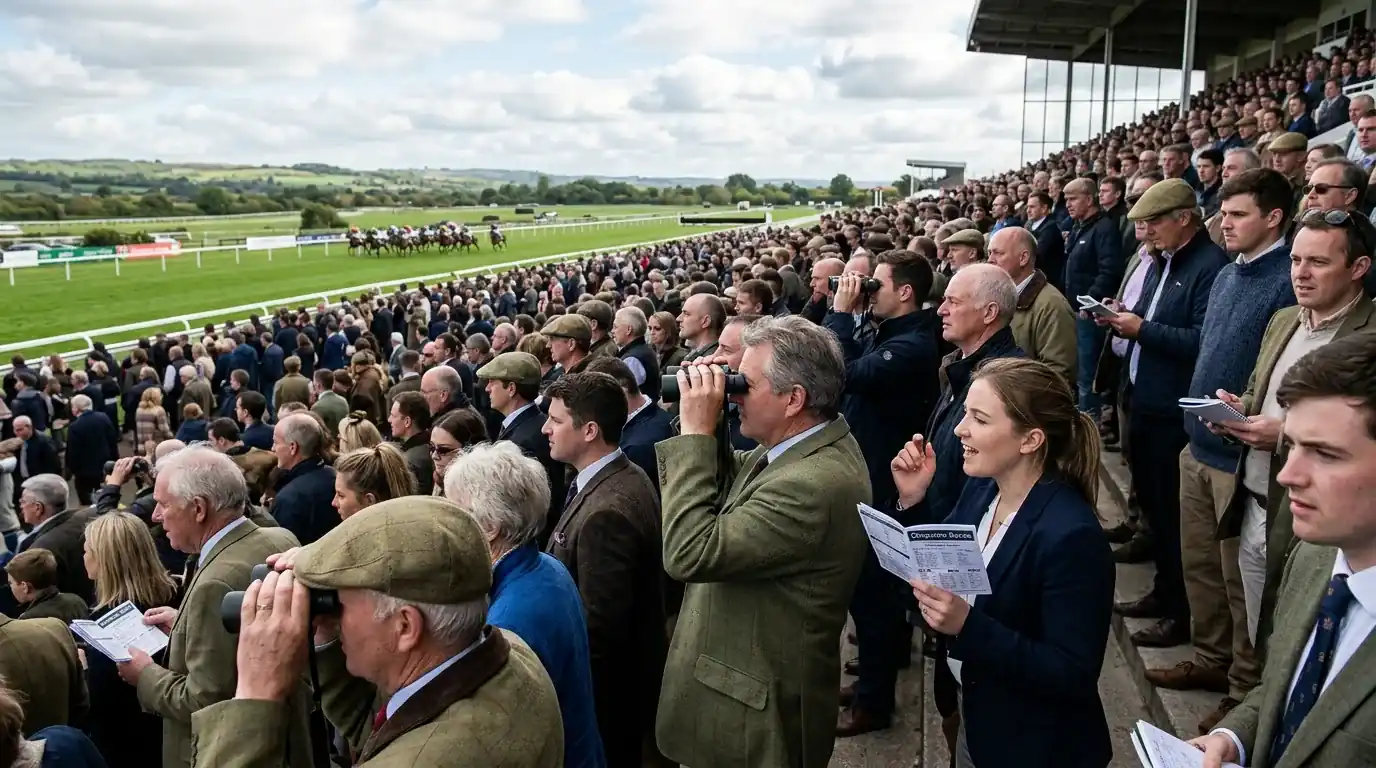
The five million attendance figure offers some optimism. People remain interested in racing as spectacle and sport. The betting relationship has shifted, not collapsed entirely. Pool products like the Tote may actually benefit from a world where casual racegoers want some action without the friction of navigating bookmaker accounts and verification procedures.
For wheel bettors specifically, these market dynamics create both challenges and opportunities. Smaller pools mean greater dividend variance — both upside and downside. Concentrated action at premier fixtures offers more stable pool liquidity. And the gap between casual and serious bettors may be widening, which historically favours those who understand exotic mathematics.
Affordability Checks and Betting Access
The regulatory landscape around UK betting has shifted dramatically in the past five years, and exotic bettors feel the effects acutely. Affordability checks — the process by which operators verify that customers can sustain their betting levels — have become a flashpoint between regulator intentions and industry realities.
Nevin Truesdale, former CEO of The Jockey Club, articulated the concern many racing insiders share: “The Gambling Commission seems to want to reduce gambling to just small-stakes gamblers and that can’t be right.” Whether you agree with that characterisation or not, the practical impact on exotic betting is measurable. Wheel bets require larger total stakes than equivalent straight bets, making them more likely to trigger affordability thresholds.
The mechanism works like this: as your betting volume increases, operators must verify that your gambling remains sustainable relative to your financial circumstances. Verification requests interrupt betting activity. Some punters respond by reducing stake sizes; others migrate to less regulated alternatives. Neither outcome serves the sport’s financial interests.
Practical Impact: Affordability checks typically trigger at monthly net deposit thresholds that vary by operator. Exotic bettors cycling through wheel structures can reach these thresholds faster than their straight-betting counterparts, even with identical underlying convictions and bankroll sizes.
The growth in unlicensed betting operators correlates with intensified affordability enforcement, though causation is debated. What’s less debatable is that punters seeking to place significant exotic action now face more friction than they did five years ago. Whether that friction represents necessary consumer protection or counterproductive over-regulation depends on your perspective.
For wheel bettors navigating this environment, a few practical considerations apply. Spreading activity across multiple licensed operators can reduce individual trigger risk. Maintaining clear records of betting activity and outcomes helps if verification is required. And understanding that these checks exist — rather than being blindsided by them — allows better planning of seasonal betting patterns around major festivals and race meetings.
Common Questions About Wheel Betting
What is a wheel bet in horse racing?
A wheel bet is an exotic wagering structure where you anchor one or more horses in specific finishing positions while allowing all other horses to fill the remaining positions. For example, in an exacta wheel, you might key horse #5 to win while covering all other horses for second place. If horse #5 wins and any other horse finishes second, you collect. The term “wheel” reflects how you spin through all possible combinations with your key horse as the fixed point. In UK terminology, this applies to forecasts (exactas), tricasts (trifectas), and other multi-position pool bets.
How much does a wheel bet cost?
Wheel bet costs depend on the bet type, field size, and stake per combination. For exacta wheels with one horse keyed to win, multiply (field size minus 1) by your stake. A 10-horse exacta wheel at £2 costs 9 × £2 = £18. Trifecta wheels escalate quickly: one horse keyed to win with all others for second and third costs (n-1) × (n-2) combinations. That same 10-horse field produces 9 × 8 = 72 combinations, costing £72 at £1. Part wheels reduce costs by limiting coverage to selected horses in secondary positions rather than the entire field.
What is the difference between a full wheel and a partial wheel?
A full wheel covers every possible combination with your key horse in the designated position. A partial wheel (or part wheel) limits coverage to selected horses in the non-keyed positions. Full wheels guarantee you hit if your key finishes correctly; partial wheels risk missing combinations you didn’t cover. The trade-off is cost — a full trifecta wheel on 12 horses costs 110 combinations, while a part wheel might cover 18-30 combinations depending on your selections. Most experienced exotic bettors use part wheels in larger fields to manage costs while maintaining exposure to likely combinations.
When should I use a wheel bet instead of a box?
Use wheels when you have strong conviction about which horse will win but genuine uncertainty about supporting positions. Use boxes when multiple horses seem equally capable of winning. The key distinction: wheels maintain hierarchy (your key must finish where you’ve placed it), while boxes treat all selections interchangeably across positions. Wheels cost less than boxes for equivalent coverage because they generate fewer combinations. If you’d rate your key horse at 40% or higher win probability while remaining unsure about second and third, wheel structure extracts more value from your opinion than boxing would.
What are the Tote takeout rates for exotic bets in the UK?
UK Tote deducts 25% from exacta (forecast) and trifecta (tricast) pools before calculating dividends. The Placepot carries a 27% takeout. Win pools run around 13.5%, place pools approximately 16%. These deductions apply to the total pool before distribution, meaning your wheel bet must overcome this house edge to return profit. For a 25% takeout, the winning combination needs to return at least £1.33 per pound wagered just to break even. Tote+ guarantees help mitigate this by ensuring you receive at least bookmaker fixed-odds returns when those exceed pool dividends.
How do I calculate trifecta wheel combinations?
For a full trifecta wheel with one horse keyed to win, multiply (n – 1) × (n – 2), where n equals field size. A 10-horse race produces 9 × 8 = 72 combinations. For part wheels, multiply the number of horses in each position: if you key one horse to win, select three for second, and six for third, you cover 1 × 3 × 6 = 18 combinations. Always calculate before betting — trifecta costs escalate dramatically with field size. A 14-horse full wheel requires 13 × 12 = 156 combinations, making part wheels essentially mandatory for cost management.
What is a key horse and how do I select one?
The key horse is your anchor selection — the horse you’re betting to finish in a specific position (usually first) around which your wheel structure is built. Selection criteria should include recent form within 60 days, proven ability at today’s distance, going preferences matching current conditions, and favourable trainer-jockey combinations. The key horse decision matters more than wheel structure because if your key fails, the wheel loses regardless of how well you’ve covered other positions. Favourites win 30-35% of UK races, so even strong selections fail more often than they succeed — but your analysis should suggest genuine edge over market pricing to justify the wheel investment.
Created by the ”Horse Racing Wheel bet” editorial team.